
Ep. 03 – The Making of Daughter (La Fille): Part 3
 Blue Paper Filmworks
Kill your darlings: cutting shots you love. Why Jorge Sermini cut a beautiful shot and a whole scene from Daughter (La Fille), and two questions to help you decide what to cut from your own film.
The breakdown
“Kill your darlings” is old creative advice, and in filmmaking it means one specific thing: cutting a beautiful shot or scene that stands on its own because it doesn’t serve the story.
These aren’t your weak shots. They’re the ones you could be proudest of: the gorgeous composition, the perfect light, the take that cost you a hard day on set. They’d work as a still, a reel clip, or a poster. But a film isn’t a collection of great shots. It’s a story, and a shot that doesn’t move the story forward is in the way, however good it looks.
You can’t rely on taste alone to make those calls, because taste is exactly what’s compromised. You remember the effort, the light, the day it came together. So give yourself a test instead. Two questions will catch most of what needs to go.
Question one: does it slow the film down?
A shot can be excellent and still wrong for the moment it sits in.
Your attachment to it comes from making it, but the audience only gets the film. Sometimes the tone can be wrong and the edit will reveal it to you.
Watch the sequence with the shot and without it.
Don’t ask whether the shot is good. Ask whether the film flows better when it’s gone. If the pace picks up and the tension holds, you have your answer, even if it stings. In the end the story is all that matters. If a scene or a shot does not serve the story then it must go.
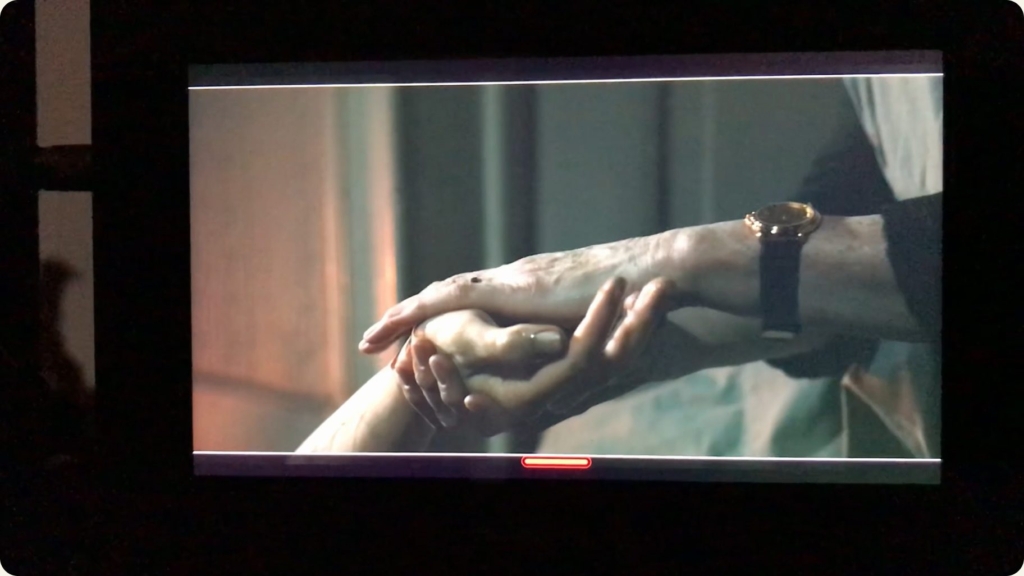
Jorge Sermini ran into this on his short Daughter (La Fille).
He had a shot that felt poetic, like a painting. He loved it, but it was the wrong tone and the film wanted a more violent transition. The shot that made the cut made the film more interesting.
Question two: has the story beat already landed?
Some scenes fail because the moment they’re meant to deliver has already landed.
Every story is built from beats: the reveal, the loss, the turn. Once a beat lands, anything that keeps playing it repeats itself, and audiences feel the repetition even when they can’t name it.
Find the beat the scene is really about, then check where it actually lands.
If the audience has already felt it, look at everything that comes after. If that material only extends the beat rather than changing it, it’s in the way, and it’s probably costing you more than it gives. Cut whatever sits between a landed beat and the next one.
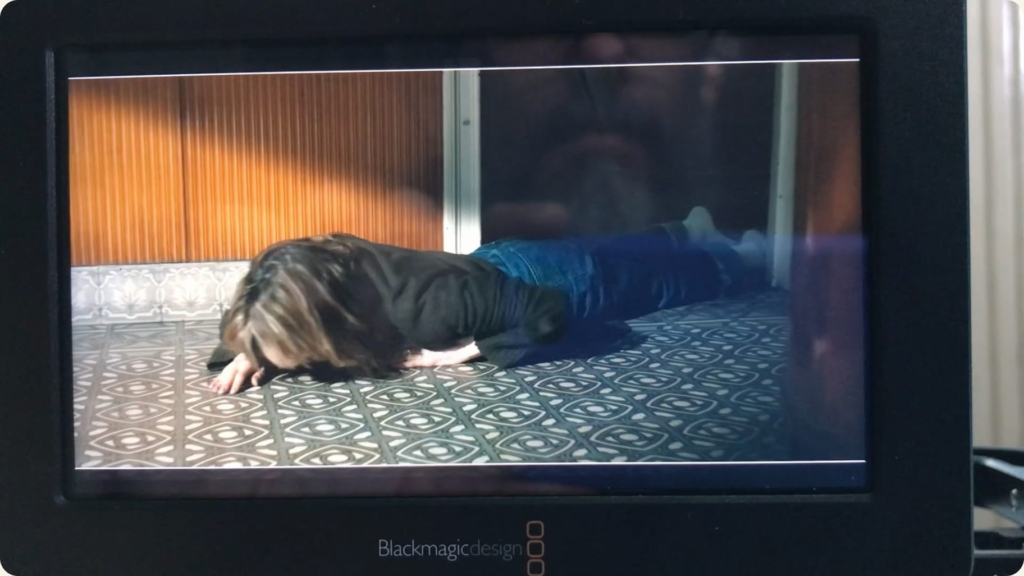
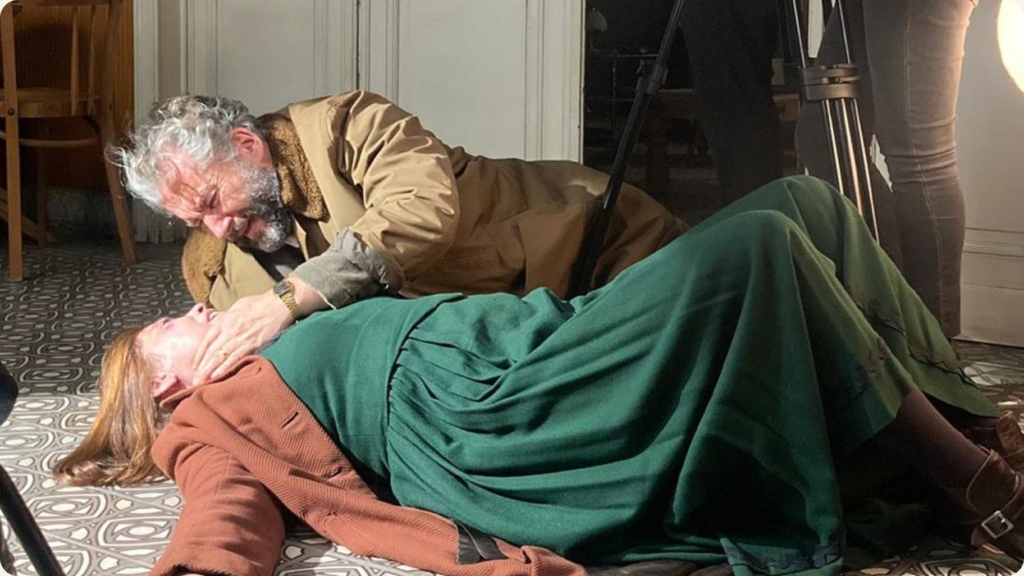
On Daughter (La Fille), Jorge cut the death of the mother.
It looked great on paper and great in the edit, but the beat this scene originally existed to deliver had already landed in the scene before and this scene played it again, slowing the film down and adding a dramatic moment that was unnecessary, resulting in what Jorge described as “an ending before an ending.” Jorge let the character die in the scene before and cut this one. Removing the death of the mother cleared out what was getting in the way of the story and gave the film its momentum back.
Why this is hard, and worth it
Neither of those cuts was a fix for bad work. Both were strong on their own. They just didn’t serve the story as a whole.
Cutting weak material is easy. Cutting strong material because the film is stronger without it takes discipline, and a little humility. Even directors working at the highest level feel it. Denis Villeneuve, speaking about trimming Dune: Part Two, said “I kill darlings, and it’s painful for me.” His rule is to serve the movie rather than his ego. The first cut hurts. By the third, you start trusting the question more than your attachment.
Try it on your next edit
- Watch it cold. Screen the cut without pausing, and note where your attention drifts.
- Mark the real ending. Write down where the story actually lands, then check what comes after.
- Cut and live with it. Remove the scene for a day. If you don’t miss it, don’t put it back.
- Archive the footage. Keep what you cut. Whether you ever show it is a separate decision.
The best thing you shot and the best thing for the film aren’t always the same. When they’re not, choose the film.
Source: Denis Villeneuve interview with Collider, as reported by The Hollywood Reporter.
More Episodes
Stay up to date
Subscribe to get the latest episodes, news, and company updates in your inbox.