

Ep. 02 – The Making of Daughter (La Fille): Part 2
 Blue Paper Filmworks
Working with a less-than-ideal practical element: what a challenging creature build taught us about briefing makers, and how to solve for it on set.
The breakdown
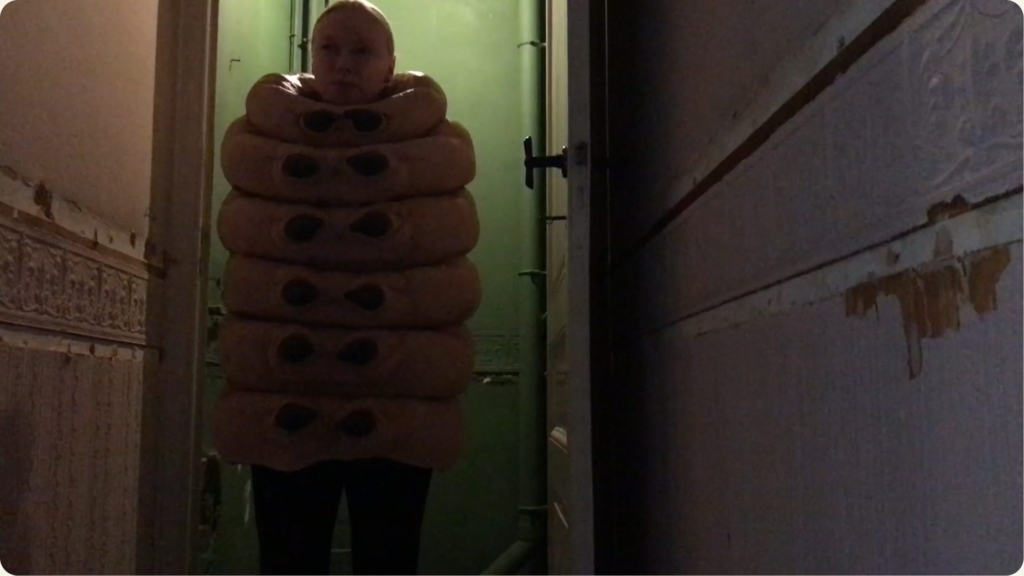
When the creature costume for director Jorge Sermini’s short film Daughter (La Fille) arrived on set, it wasn’t what he’d envisioned. Even meticulous planning can’t prevent every surprise, so the crew improvised and found ways to work with what they had. Jorge was fortunately able to reshoot the creature a year later, but this particular shoot still holds lessons for filmmakers commissioning costumes, creatures and props, and for anyone working with something that doesn’t go to plan.
Brief the job, not just the look
When you make or commission a creature, costume or hero prop, brief the prop maker on what it has to do in the story, not just how it looks. Here are a few challenges we faced that we hope others can learn from. Each one is a question to settle before the build starts.
- How often does it come off?
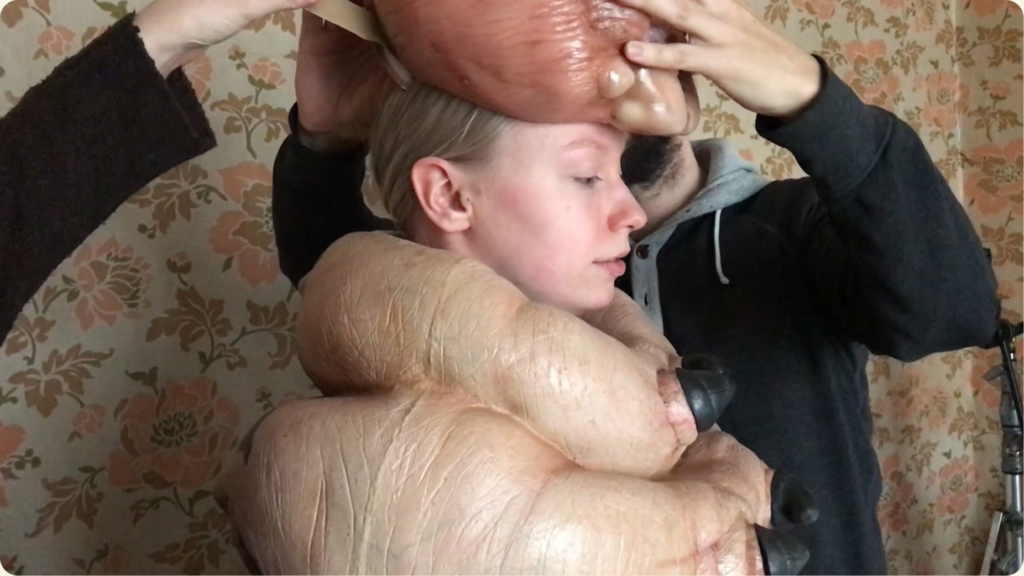
- On Daughter, the way the head of the first creature was constructed could have caused chafing every time it came on and off. Ask yourself how many times the performer will put it on and take it off in a shoot day, and consider what that does to their face and makeup (especially if they’re playing another role in the film). What you consider beforehand may determine the material used or the fit of the costume, so tell the maker up front. If you can, test it before the shoot day.
- What must it do physically?
- The performer couldn’t move as intended in the first version of the monster. Think through every action in the script (crouch, reach, crawl, bend, stand) so the maker can meet the functional requirements. If time allows, have the performer test those movements before signing off on the build. Even a few minutes with the performer in the costume will show you its physical limitations.
- What does the key scene need from it?
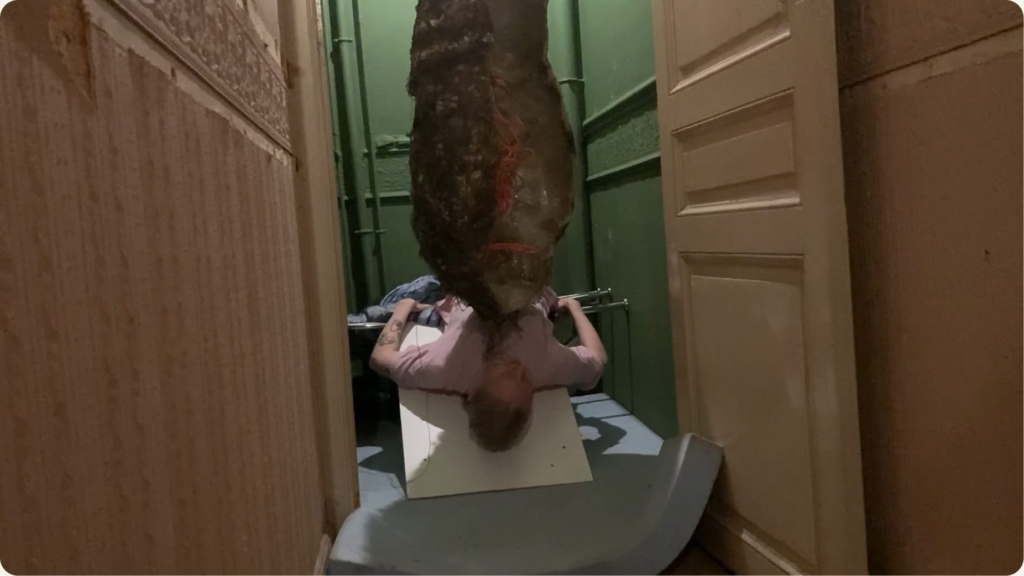
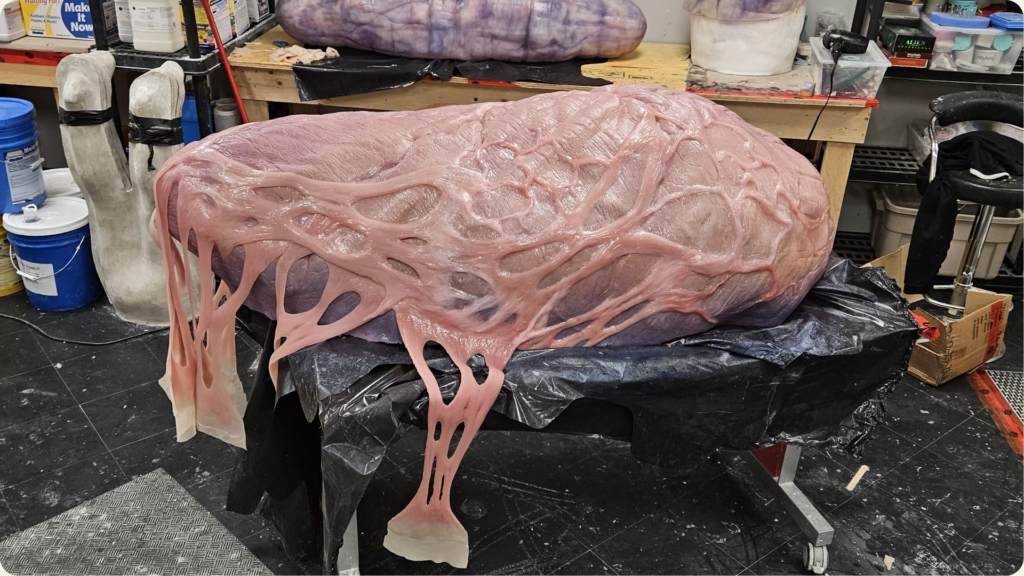
- The creature’s birth was always part of Daughter, but the prop maker never considered it. The original cocoon was made from rigid fiberglass and hadn’t been designed to accommodate the primary action of a key scene — the emergence. To help avoid builds like this, make sure the prop maker understands not only the appearance of a piece, but also what role it serves in the story.
- Is every component accounted for?
- The original creature arrived without legs, leaving a significant portion of the costume unfinished. To help prevent situations like this, review the script and document every component that needs to be created and include that checklist in the brief. If the schedule allows, check the delivery against that list a few days out, rather than on shoot day.
Solving it on set
Even with careful planning and walking the builder or prop maker through all the requirements, some practical elements still don’t arrive as expected. When that happens, the priority is finding a way forward with what you have.
On Daughter, framing, lighting, editing, and a little ingenuity helped the crew make the most of an imperfect creature. Here are some lessons from how Jorge worked through challenges on Daughter that other filmmakers may find useful.
- Keep the solution simple.
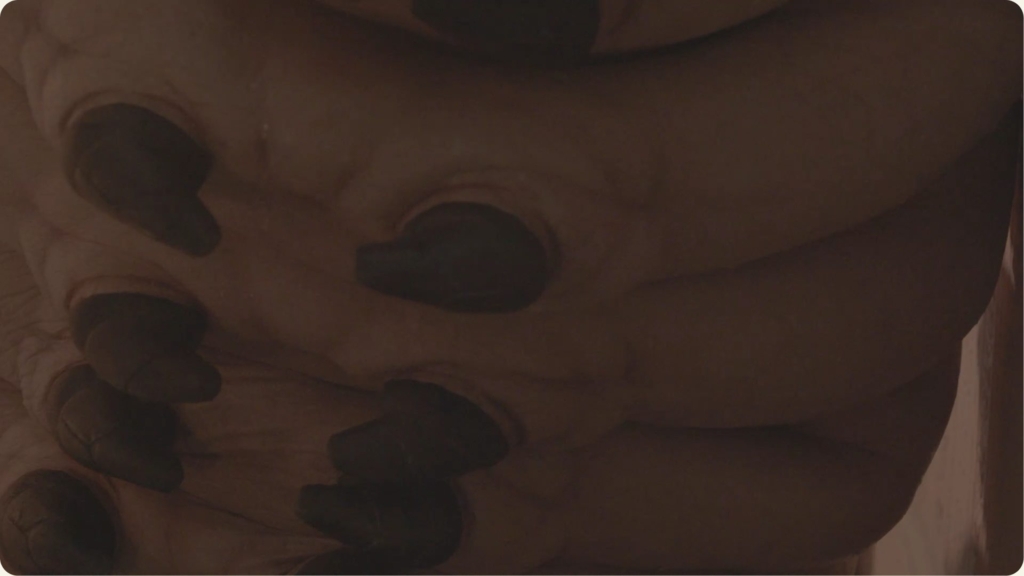
Sometimes the easiest flaw to hide is the one the camera never sees. A tighter frame, a different angle, or a well-timed cut can keep a problem out of the shot or conceal an incomplete costume without requiring an elaborate workaround or extensive post-production fixes that require extra time and resources.
On Daughter, Jorge couldn’t follow his original plan for the scene and rather than relying on complicated fixes, he shot with what he had and used simple solutions like cuts and framing to make it work.
- Get the action on camera
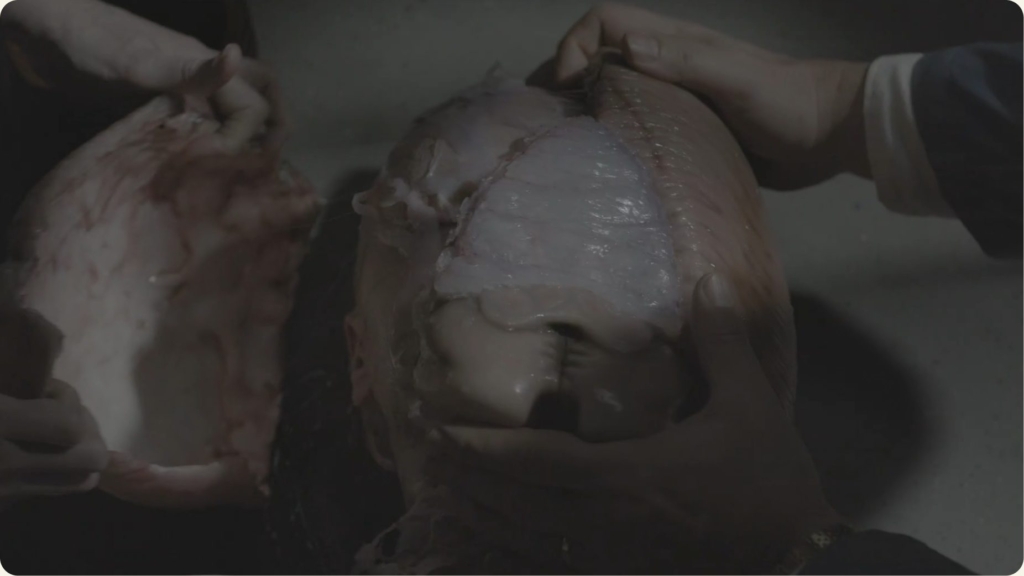
The crew had to shoot the creature as it was, so the question became how to get the action on film anyway. Find the simplest version of the moment that still tells the story, even if that means changing the angle or adjusting the action. You can always decide not to use a shot later, but you can’t edit footage that was never captured.
On Daughter, the cocoon couldn’t accommodate the birth, so the crew improvised a solution on set and captured enough to tell the story.
- Make sure the story beat actually lands.
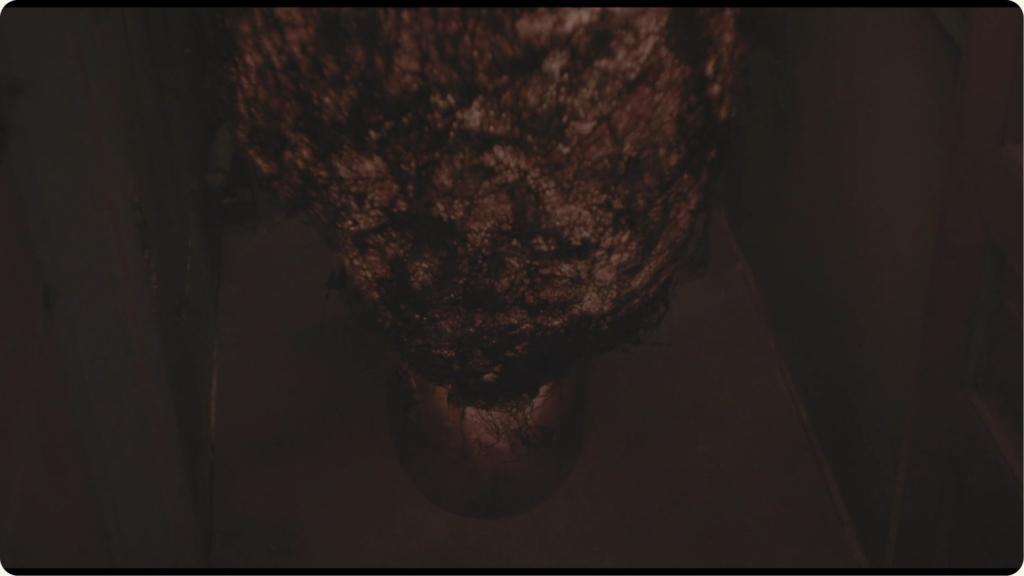
Watch the take as a viewer. Does the action make sense? Is the emotion coming through? If so, the story beat is coming across and the shot may be doing its job, even if the execution isn’t what you imagined.
On Daughter, Jorge’s guiding question for the creature’s emergence from the cocoon was simple: Does this actually look like a birth?
A quick note on reshooting.
A reshoot isn’t always possible, or always necessary. If the audience can follow the action and stay invested, you may already have what you need. If something keeps pulling viewers out of the story and the edit can’t fix it, a reshoot may be worth considering.
Jorge reshot Daughter a year later. Because the creature played such a big role, it was a chance to strengthen a pivotal moment, not just improve its look. Having a first attempt to reference gave him a clear understanding of what worked, what didn’t, and how the creature and scene needed to be reimagined. The result? A creature that not only looked convincing on camera but could physically perform the actions the story demanded.
The wrap up: Working with what you have.
You can plan every detail of a shoot and still arrive on set to find a practical element that isn’t what you expected. The making of Daughter is a great example of how filmmakers can adapt when a practical element falls short of expectations, offering a few lessons to carry into future productions.
Brief the maker clearly. When you can’t follow your original plan, use framing, lighting and cuts to protect what the audience needs to see, and find a way forward with what you have. The goal isn’t to make every practical element perfect. It’s to make sure the story works.
More Episodes

Stay up to date
Subscribe to get the latest episodes, news, and company updates in your inbox.