


Ep. 01 – The Making of Daughter (La Fille): Part 1
 Blue Paper Filmworks
Get a behind-the-scenes look at the making of Daughter (La Fille), from rehearsals and on-set preparation to the unexpected moments that shaped the creative process.
The breakdown
The first episode in our behind-the-scenes look at Daughter (La Fille) offers a glimpse into what it felt like to make the short film: rehearsals, preparing shots, working through the details of a scene and the unexpected moments that emerged along the way.
Some of those moments were carefully planned. Others surfaced in rehearsal or came from something already sitting in the room. Together, they point to one of the more interesting dynamics of filmmaking: the relationship between preparation and improvisation.
Directors are often framed as one of two types: meticulous planners who protect the shot list and schedule, or instinctive filmmakers willing to follow wherever the day leads. But the two aren’t really opposites.
As this first look behind the scenes of Daughter (La Fille) shows, the productions most capable of embracing the unexpected are often the ones that prepared the hardest. Preparation doesn’t compete with discovery. It creates room for it. Planning solves enough of the known problems so you can stay alert to the unknown ones.
What preparation buys
Sometimes, preparation is about people.
For Daughter (La Fille), one scene required an actor to be physically restrained, so the production brought in someone with real expertise in bondage. The goal wasn’t simply authenticity, it was also about safety and trust. The actor didn’t need to wonder whether the restraints were being handled correctly and could focus on the performance instead.
Comfort on set isn’t just an atmosphere you hope to create. Sometimes it’s something you plan for.
Other times, preparation is visual.
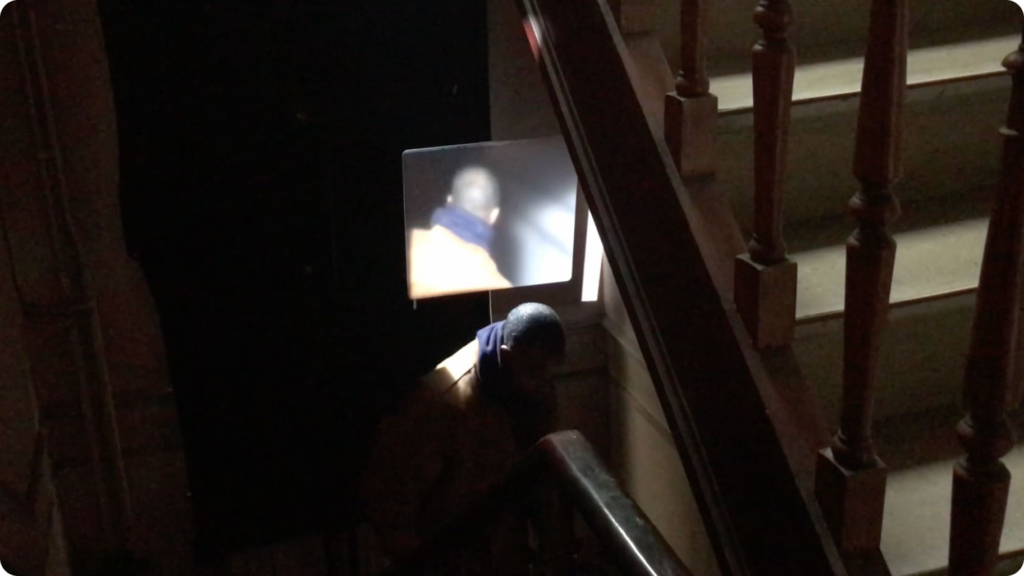
For another scene, the gaffing crew used a technique that bounced light off silver plates rather than aiming fixtures directly at the actors. The result was soft and it gave it the ethereal atmosphere that the director was going for. This look was planned, not discovered on set. The equipment and even the careful handling of the easily scratched plates had all been considered beforehand in order to set up the shot efficiently and avoid wasting precious time.
Then there are the technical decisions.
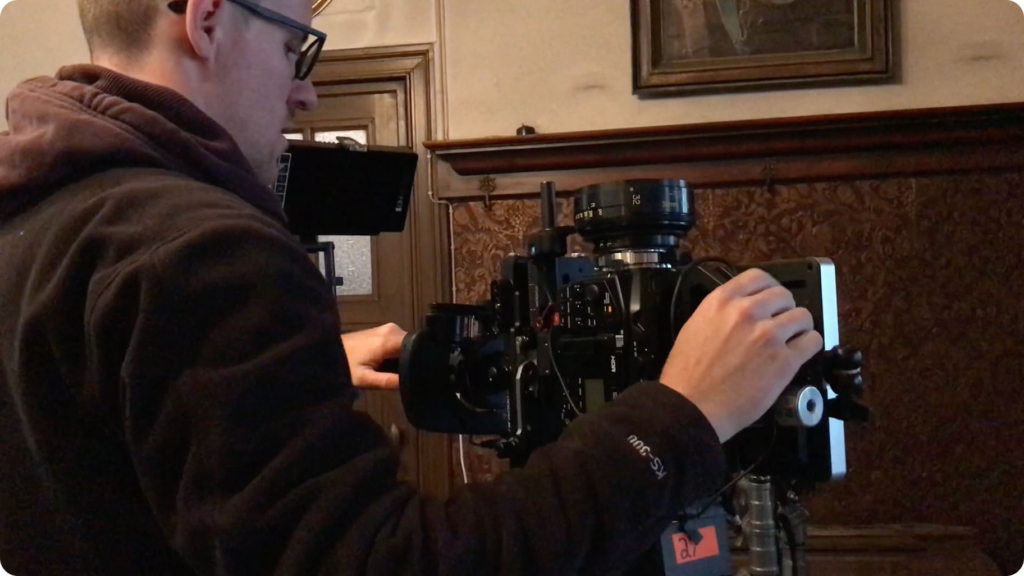
A Steadicam, for example, relies on carefully balancing the camera against a system of counterweights in order to achieve smooth motion during complicated walking shots. That setup takes time because the balance required for such motion has to account for the exact camera and lens being used.
Planning for these details prevented last minute problem-solving, ultimately allowing for more room to respond when something unexpected did happen.
What preparation can’t buy
Preparation can’t tell you what creative choices an actor will make.
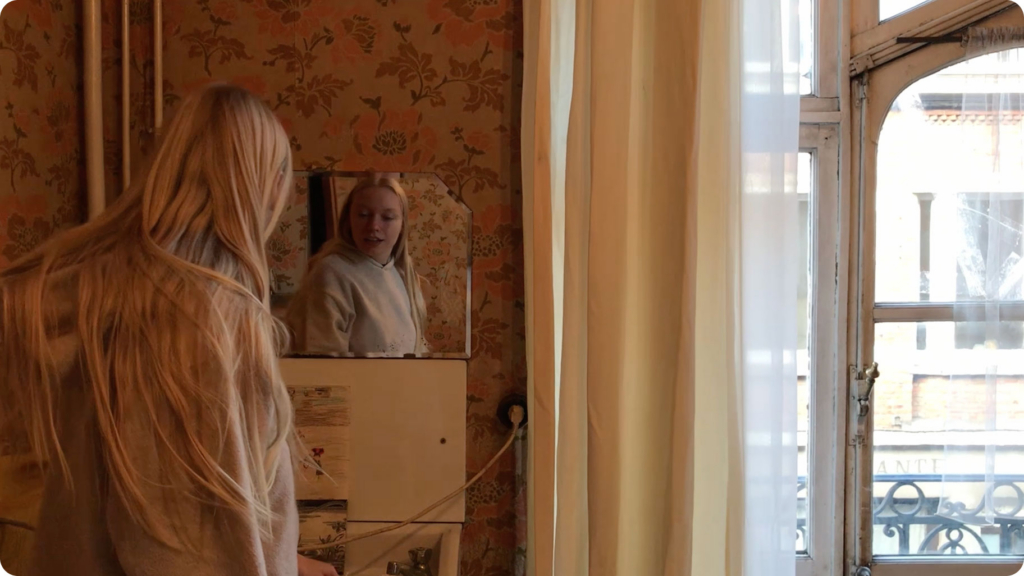
During rehearsal for Daughter (La Fille), the actress happened upon a mirror in the space and made the creative choice to interact with it, creating an unexpected and unscripted moment worth exploring further. It emerged naturally from the rehearsal process, which gave the performers time to explore the scene while leaving room to recognize and follow interesting moments as they happened.
Preparation doesn’t always tell you what opportunities a location will give you.
One room used for some of the film’s scenes had wallpaper covered in cherry blossoms. The director noticed that, under the right lighting, the pattern resembled blood spatter and took advantage of the opportunity to use the scene’s setting to create a feeling of uneasiness in the audience. The filmmakers leaned into what was already there and made it part of the scene’s visual language.
It’s a useful example of something that applies well beyond this production: working with what a space gives you, not ignoring it, creates a more immersive and authentic moment.
Both discoveries required the same thing: enough attention to recognize an opportunity. And that attention was available because so many other decisions had already been made.
Experiment during rehearsal, before it gets expensive
Rehearsal isn’t only about polishing a performance. It’s where a production gets to experiment before experimentation becomes expensive.
For a short film like Daughter (La Fille), having two actors meet for the first time in rehearsal rather than on a shoot day gives them space to build a working relationship without the pressure of a full crew waiting. Even when everyone can’t physically be there, any rehearsal is better than none.
Those things become especially valuable once on set.
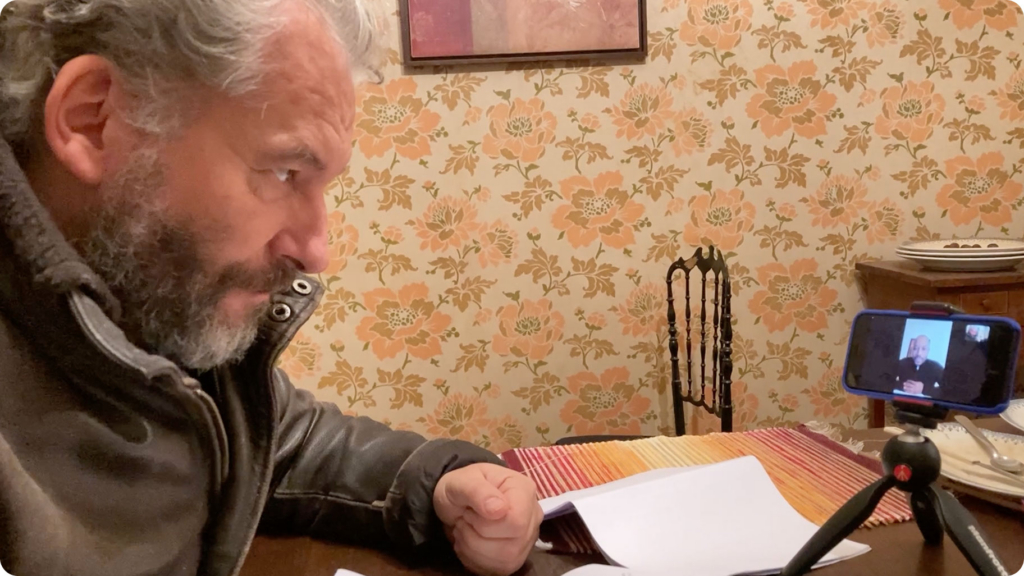
The goal of preparation isn’t to impede discovery on set. It’s to develop a solid plan beforehand that allows you to look at on-set discoveries as opportunities to explore rather than problems to solve.
Preparation is what gives a production enough confidence to make a film that remains true to its original vision.
More Episodes

Stay up to date
Subscribe to get the latest episodes, news, and company updates in your inbox.